 MobA11y
Part 1
WCAG Levels: Impact Against Effort
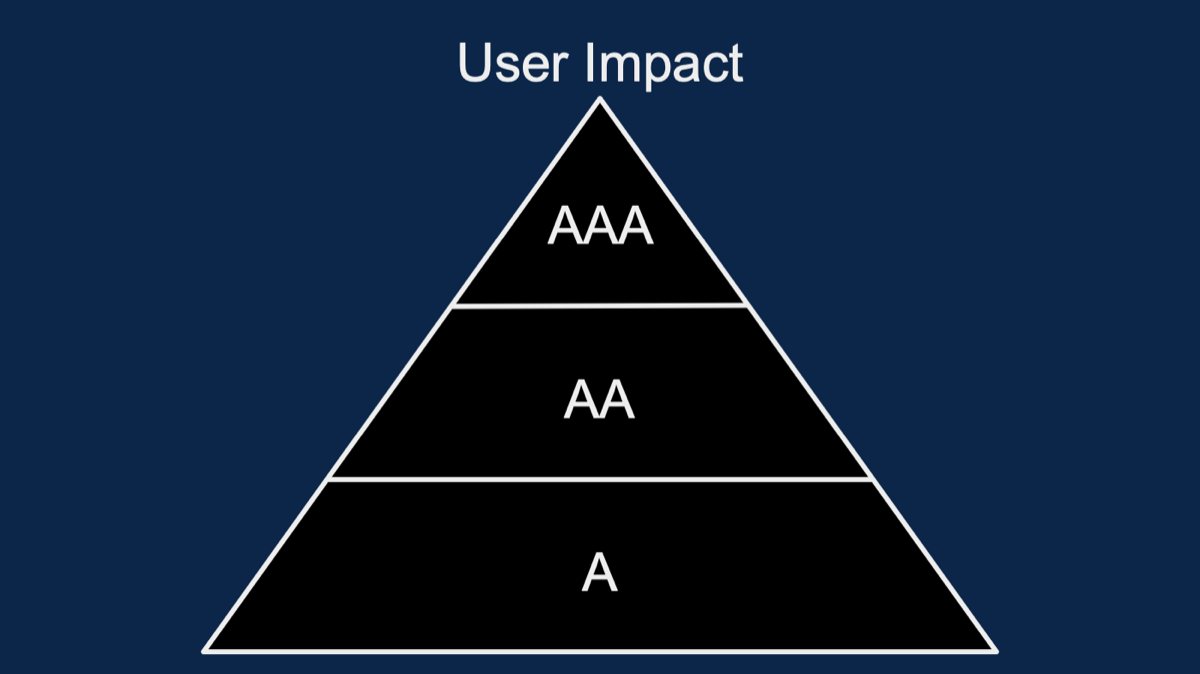
The Web Content Accessibility Guidelines (WCAG) sort their success criteria into three levels: A, AA and AAA. People often read them as grades. I find two pyramids more useful.
A series in 9 parts
N-ARIA is Native ARIA: the iOS and Android accessibility APIs that tell VoiceOver and TalkBack what each thing on screen is, what it's called and what it's doing, explained for web developers who know ARIA.

Part 1
The Web Content Accessibility Guidelines (WCAG) sort their success criteria into three levels: A, AA and AAA. People often read them as grades. I find two pyramids more useful.
Part 2
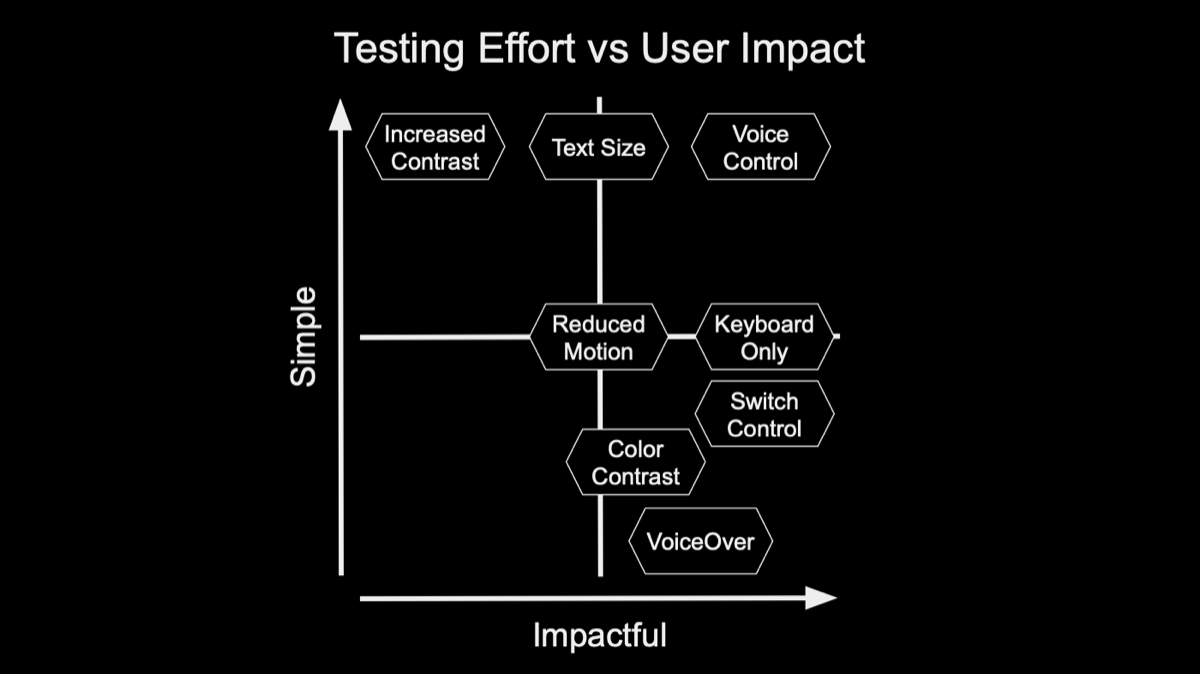
Every accessibility setting matters to the people who rely on it. What differs is how long each one takes to test and how badly a failure…
Part 3
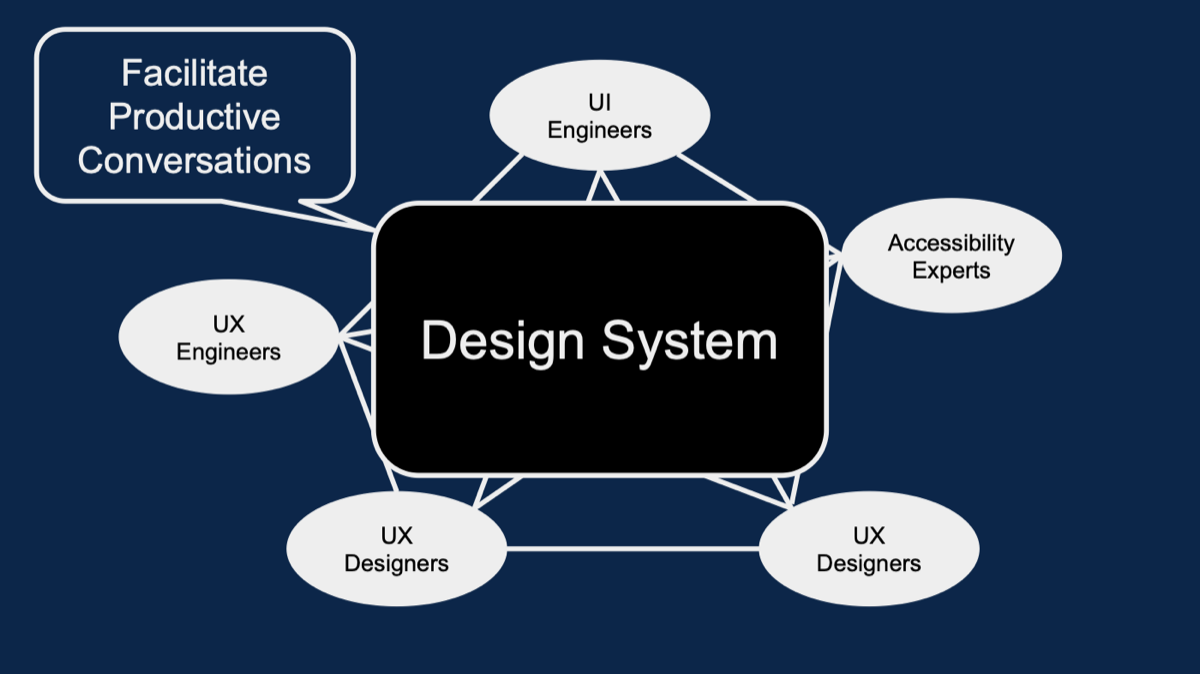
Accessibility usually fails between teams, not inside one. The designer assumed the engineer would add the label; the engineer assumed the…
Part 4
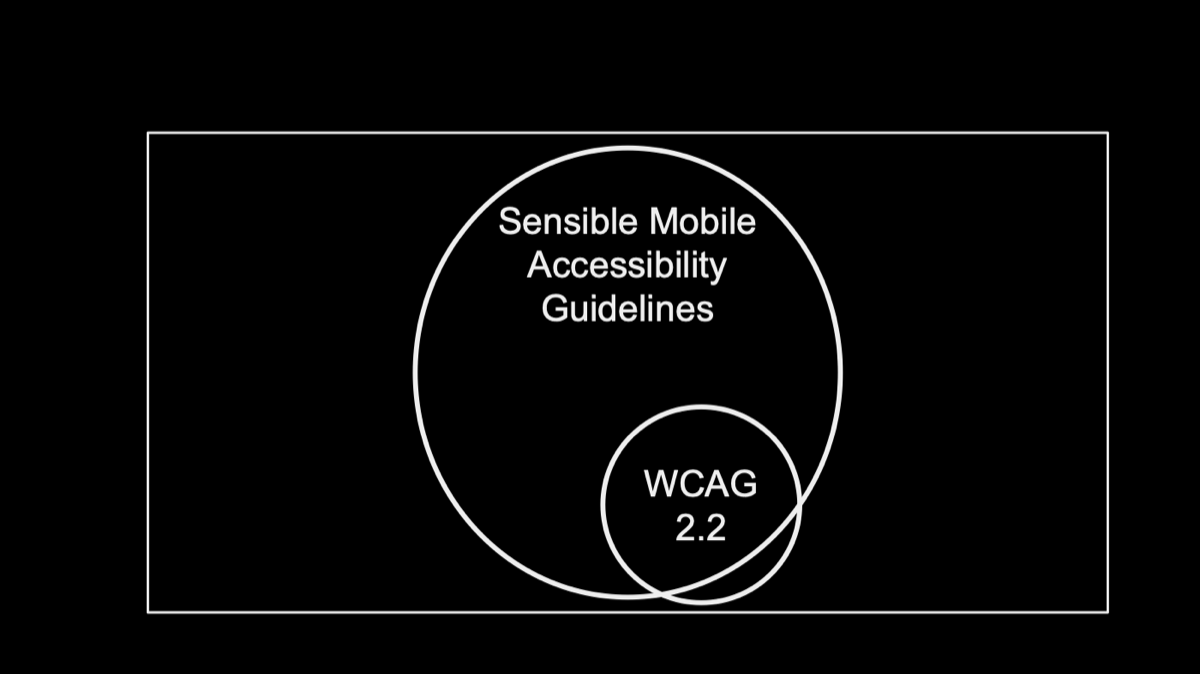
WCAG 2.2 was written for the web. Much of it carries over to mobile, but not all of it, and it doesn't cover everything a phone needs.
Part 5
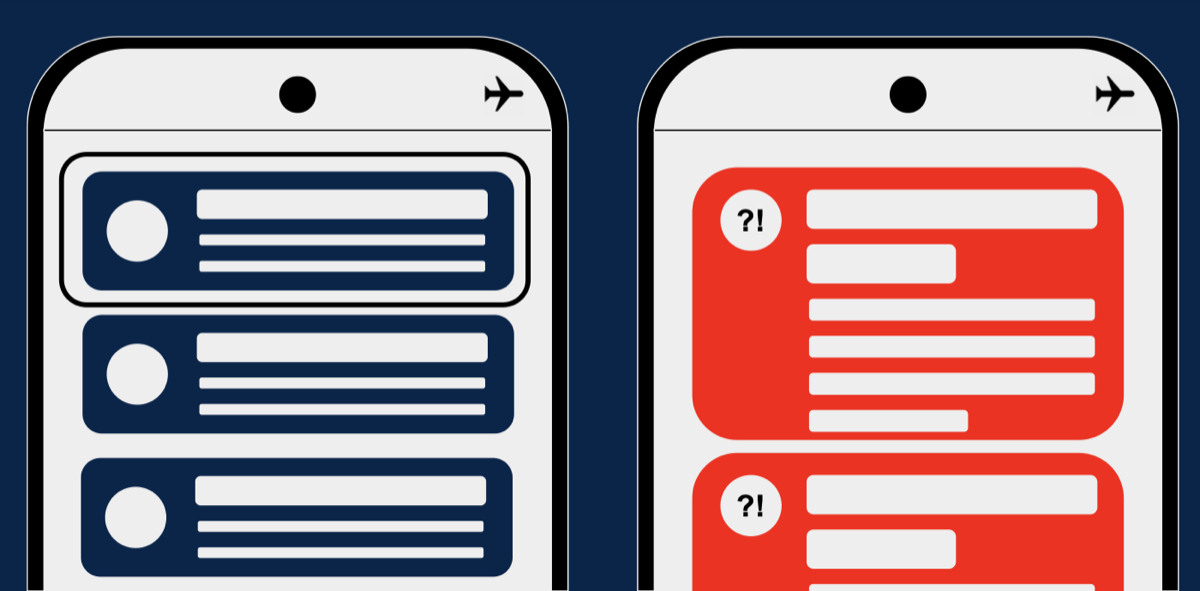
Turn the system text size all the way up and most apps fall apart in one of three ways.
Part 6
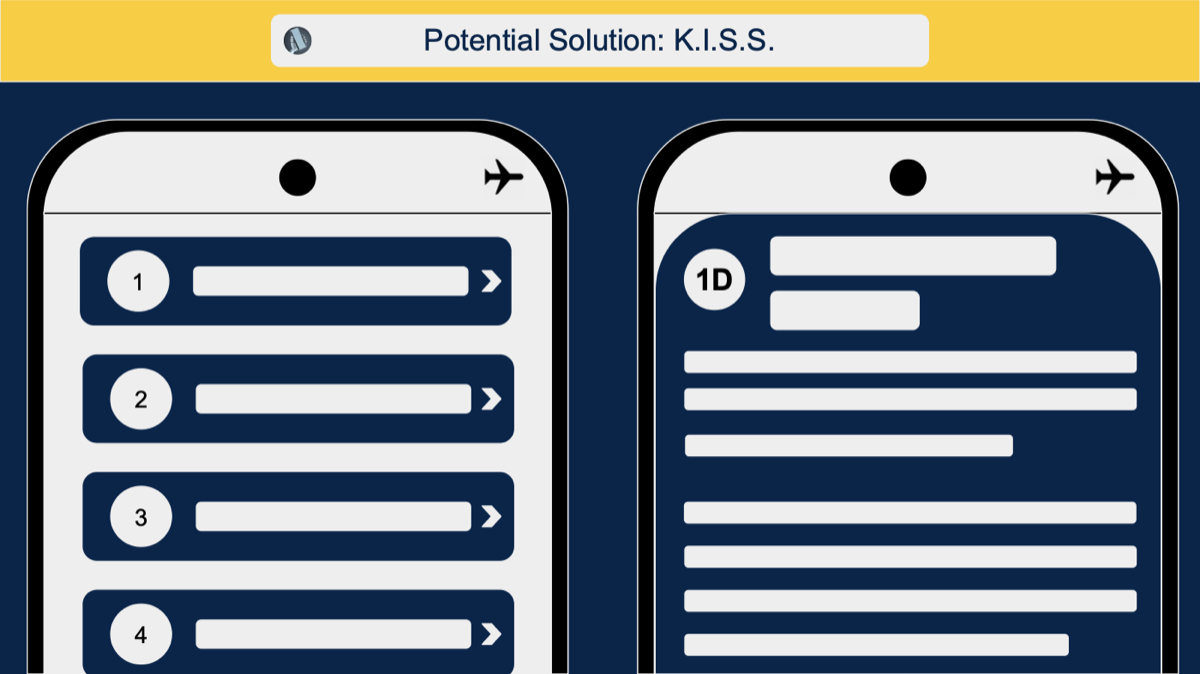
When a list breaks at large text, pick the fix that keeps the most meaning in the least space.
Part 7
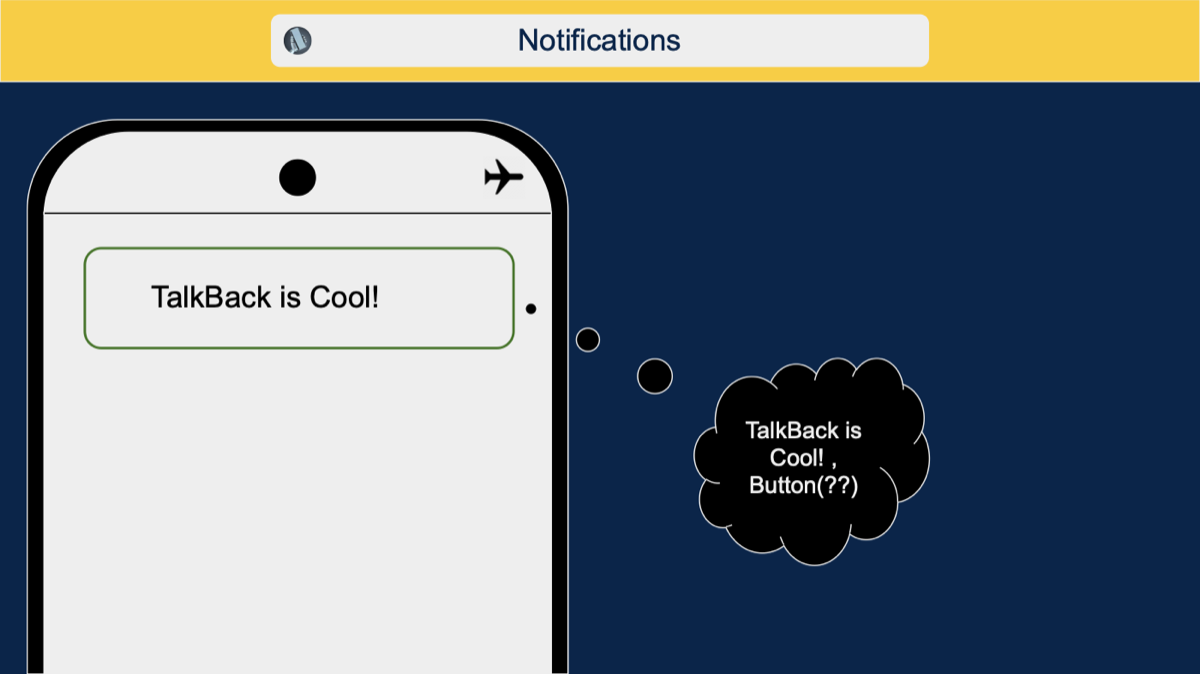
A screen can tell sighted people something that a screen reader never hears. Three common ways it happens:
Part 8
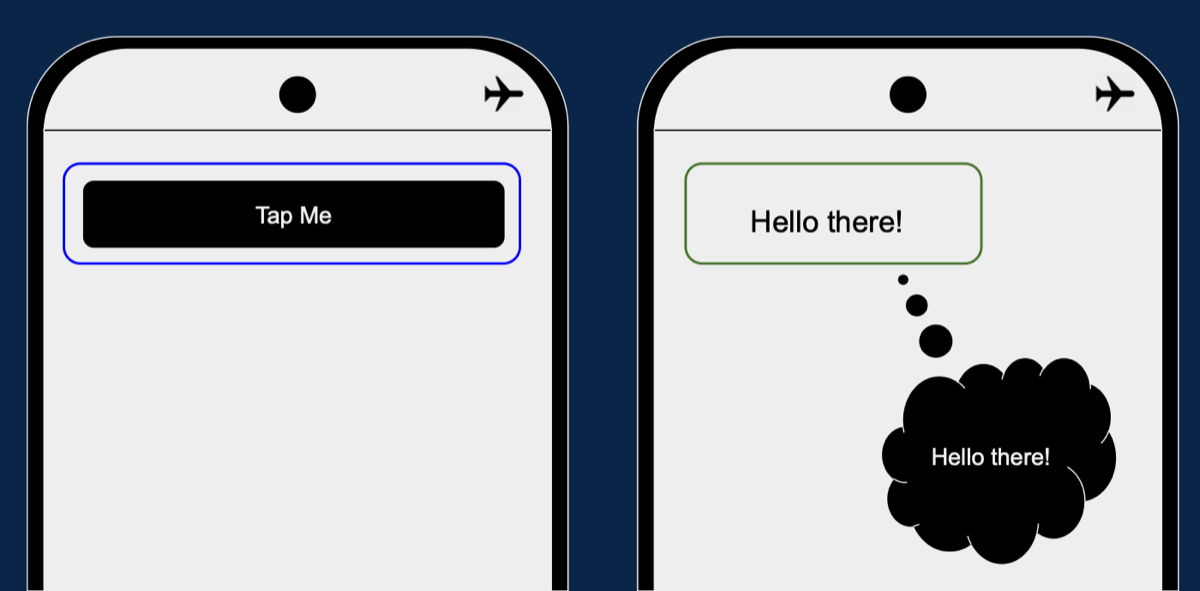
Mobile has two kinds of focus, and web developers used to one tend to mix them up.
Part 9
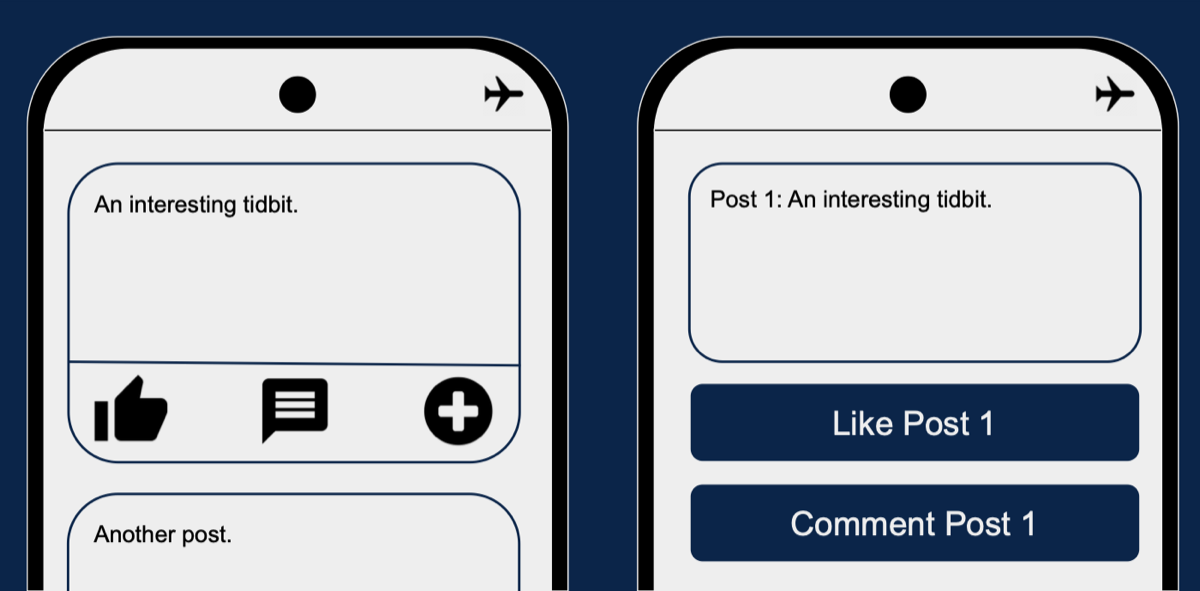
A social post with Like, Comment and Add buttons looks fine. Swipe through a feed with a screen reader, though, and you stop four times per…